

Relocating to Thailand involves several key considerations and preparations for expats. Here are the essential aspects to know:
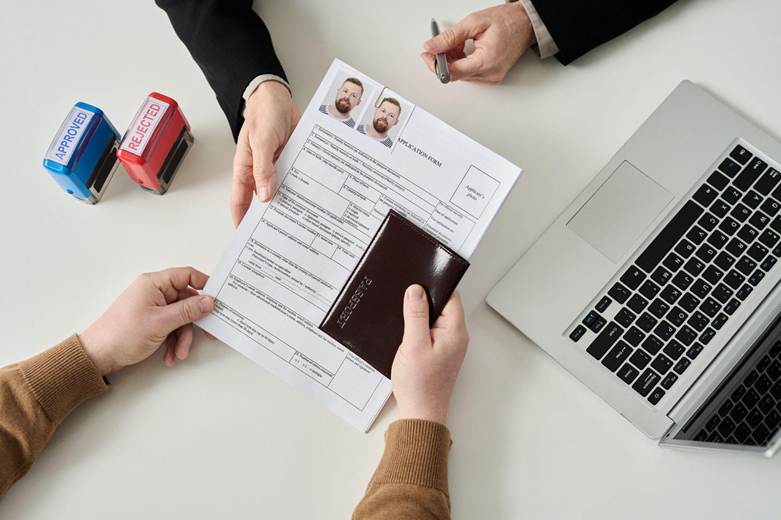
1. Visa and Work Permit
– Visa Types: De. the appropriate visa type based on your purpose (tourist, business, retirement, education, etc.). Common visas for expats include Non-Immigrant B (Business), Non-Immigrant O (Marriage), and Non-Immigrant ED (Education).
– Work Permit: If you plan to work, you must obtain a work permit. This typically requires a Non-Immigrant B visa. Your employer usually handles the application process.
– Visa Extension: Long-term stay visas need to be extended periodically.
Ensure you understand the renewal process and requirements.
You can read more about our tips and blogs about Visa & Work Permit how to obtain and the process in our blogs here:
How to get Visa and Work Permit : How to Get working Visa & Work Permit
What documents Expat should prepareExpat Documentation need for renting and how to obtain

2. Housing
– Finding Accommodation: Research the housing market in your desired location.
Options include apartments, condos, and houses. Research about which location will match your requirements the most and what hotspots are near you. You can find information from Websites, real estate agents, and expat communities, they can help in your search and give good advice.
– Lease Agreements: Understand the terms of lease agreements, including duration, deposit requirements, and utility payments.
If you want to know more information and types of accommodations in Bangkok you can read about it here : Blog 5: Types of accommodation in Bangkok
3. Cost of Living
– Budgeting: Familiarize yourself with the cost of living, including rent, utilities, groceries, transportation, and healthcare. Bangkok and other major cities tend to be more expensive than rural areas. Having set up a fixed budget can be helpful for you and keep tabs on your expenses by doing a list of daily / weekly / monthly income and outcome.
Here is an estimated budget for expats living in Thailand:
The exchange rate is approximately 1 USD = 34.75 THB. Let’s use this rate for the conversions:
Basic Budget (Economical Living):
– Accommodation: $300 – $600
– In THB: 10,425 – 20,850
– Utilities: $50 – $100
– In THB: 1,738 – 3,475
– Food: $200 – $300
– In THB: 6,950 – 10,425
– Transportation: $50 – $100
– In THB: 1,738 – 3,475
– Health Insurance: $50 – $100
– In THB: 1,738 – 3,475
– Miscellaneous: $50 – $100
– In THB: 1,738 – 3,475
Total: 24,325 – 45,175 THB per month
Mid-Range Budget (Comfortable Living):
– Accommodation: $600 – $1,200
– In THB: 20,850 – 41,700
– Utilities: $100 – $150
– In THB: 3,475 – 5,213
– Food: $300 – $500
– In THB: 10,425 – 17,375
– Transportation: $100 – $200
– In THB: 3,475 – 6,950
– Health Insurance: $100 – $200
– In THB: 3,475 – 6,950
– Miscellaneous: $100 – $200
– In THB: 3,475 – 6,950
Total: 45,175 – 85,138 THB per month
High-End Budget (Luxurious Living):
– Accommodation: $1,200 – $3,000+
– In THB: 41,700 – 104,250+
– Utilities: $150 – $250
– In THB: 5,213 – 8,688
– Food: $500 – $1,000+
– In THB: 17,375 – 34,750+
– Transportation: $200 – $500
– In THB: 6,950 – 17,375
– Health Insurance: $200 – $500
– In THB: 6,950 – 17,375
– Miscellaneous: $200 – $500
– In THB: 6,950 – 17,375
Total: 85,138 – 199,813+ THB per month
These estimates should give a good idea of the range of living costs in Thailand for expats, depending on their lifestyle and preferences.
It can vary depending on the time and rate when you transfer money from overseas.
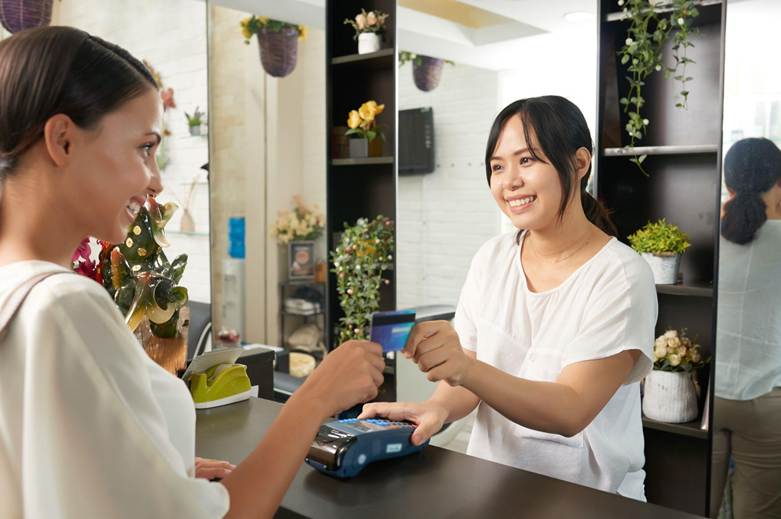
Banking: Set up a local bank account for convenience.
Popular banks include Bangkok Bank, Siam Commercial Bank (SCB), and Kasikorn Bank.
In Thailand, a variety of payment methods are used for transactions ranging from daily purchases to larger financial operations. These methods can be categorized into traditional and modern digital options:
Traditional Payment Methods:
1. Cash:
– Cash is widely used, especially in rural areas and for small transactions.
– The Thai Baht (THB) is the official currency.
2. Bank Transfers:
– Popular for larger transactions.
– Customers often use ATM transfers or direct bank deposits.
3. Credit and Debit Cards:
– Visa, Mastercard, and UnionPay are widely accepted.
– American Express and JCB are accepted but less common.
– Cards are commonly used in urban areas, large stores, and tourist locations.
Modern Digital Payment Methods:
1. Mobile Banking Apps:
– Apps like K Plus (Kasikorn Bank), SCB Easy (Siam Commercial Bank), and Bualuang mBanking (Bangkok Bank) are popular.
– These apps allow for easy money transfers, bill payments, and QR code payments.
2. E-Wallets:
– TrueMoney Wallet: Widely used for both online and offline purchases.
– Rabbit Line Pay: Integrated with the LINE messaging app, used for various services.
– AirPay: Popular among gamers and used for online shopping.
– PromptPay: A government-backed service allowing instant transfers using phone numbers or national ID numbers.
3. QR Code Payments:
– Increasingly popular for small businesses and street vendors.
– QR code payments can be made via mobile banking apps and e-wallets.
4. Online Payment Gateways:
– Services like PayPal, 2C2P, and Omise are used for e-commerce transactions.
– These gateways facilitate secure payments for online shopping.
5. Contactless Payments:
– NFC (Near Field Communication) technology is growing in use.
– Apple Pay and Samsung Pay are available but not as widely used as local options.
6. Cryptocurrency:
– Not widely accepted, but some tech-savvy and international businesses may accept Bitcoin or other cryptocurrencies.
These diverse payment methods reflect Thailand’s blend of traditional practices and modern technological advancements, catering to both local and international consumers.

4. Healthcare
– Health Insurance: Obtain comprehensive health insurance that covers medical expenses in Thailand. International and local providers offer various plans.
– Medical Facilities: Thailand has excellent healthcare facilities, especially in major cities. Research hospitals and clinics in your area.
You can read about healthcare options in Thailand here: Blog : Healthcare in Thailand: Options for Expats

5. Language
– Language Barrier: Thai is the official language, and English proficiency varies. Learning basic Thai phrases can be very helpful for daily interactions.
– Language Classes: Consider enrolling in Thai language classes to improve your communication skills.
6. Cultural Adaptation
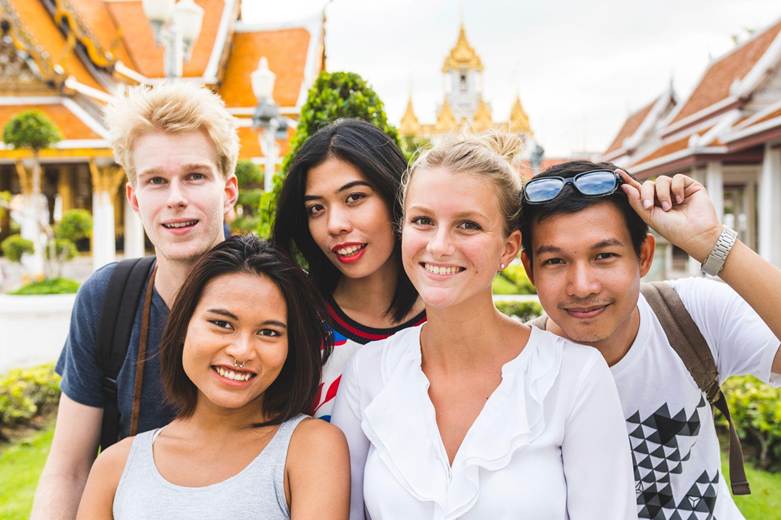
– Thai Culture: Respect Thai customs, traditions, and etiquette.
This includes dress codes, greetings (wai), and behavior in public places.
– Social Etiquette: Understand social norms, such as removing shoes before entering homes and temples, and showing respect to the monarchy.
7. Transportation
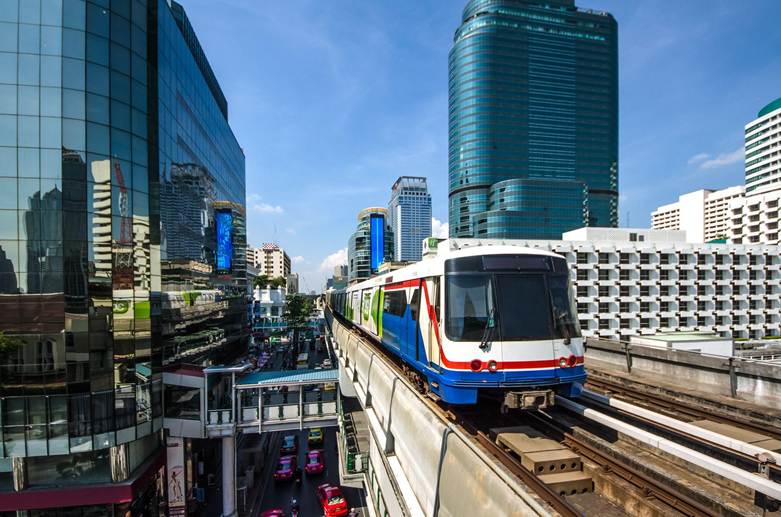
– Public Transport: Thailand has an extensive public transportation system, including buses, trains, BTS (Skytrain), MRT (subway), and taxis. Learn how to navigate these options.
– Driving: If you plan to drive, obtain an International Driving Permit (IDP) or a Thai driver’s license. Be aware of local driving laws and road conditions.
8. Education
– Schools: If relocating with children, research international and local schools. Popular choices include international schools that follow British, American, or other curricula.
– Admission Requirements: Understand the admission process, fees, and requirements for enrolling your children in schools.

9. Legal and Financial Matters
– Legal Assistance: Consider consulting with a legal expert for advice on immigration, property, and employment laws.
– Taxation: Understand your tax obligations both in Thailand and your home country. Thailand has tax treaties with many countries to avoid double taxation.

10. Community and Support
– Expat Communities: Join expat groups and forums for support, advice, and social connections. These communities can provide valuable insights and assistance.
– Local Friends: Building relationships with locals can enhance your experience and help you integrate better into Thai society.
11. Emergency Contacts
– Important Numbers: Keep a list of emergency contacts, including local police, hospitals, and your country’s embassy or consulate.
Here is the list of emergency contact number you should know in Thailand
:List of emergency contacts and how to handle in BKK
Relocating to Thailand can be a rewarding experience with proper preparation and understanding of these key aspects.
Let us help you with the process, skip all the stress because here at Peyton & Charmed we believe in Care and Trust.
————————-
Caption for FB and Instagram posts
🌏✈️ Planning your move to Thailand? Our comprehensive relocation guide is packed with all the essentials every expat needs to know! 📦📑 From navigating visa requirements to settling into your new Thai home, we’ve got you covered. Make your transition smooth and stress-free with expert tips and local insights. 🔑 Ready to start your Thai adventure? Dive into our guide now!
#ThailandExpats #RelocationGuide #MovingToThailand #ExpatLife #BangkokExpats