
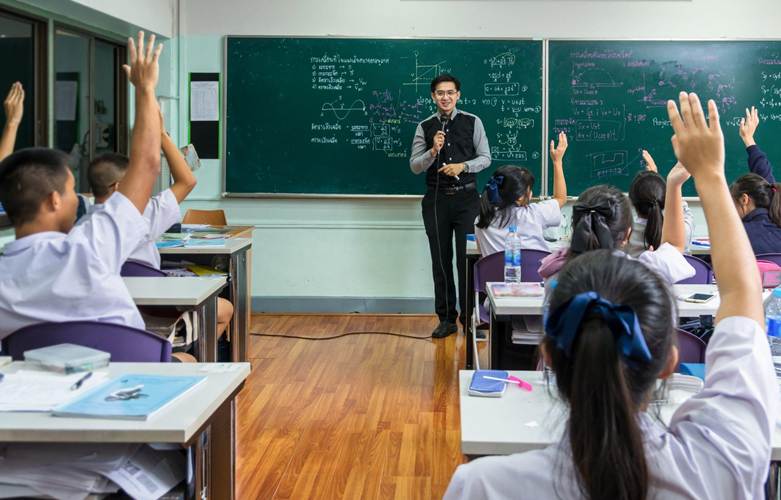
Adjusting to a new academic calendar can be one of the more subtle yet significant challenges for expat families moving to Thailand. With different start dates, holidays, and exam schedules, syncing your family’s routine with the Thai academic system requires understanding and planning. This guide helps you navigate the back-to-school season and align smoothly with the Thai educational timeline.
Understanding the Thai Academic Year
The Thai academic year begins in May and ends in March, comprising two semesters:
– First Semester: Runs from May to September.
– Second Semester: Starts in November and ends in March, with a break in October.
Key Differences and What They Mean for Expats
– Summer Break: Occurs in March and April, contrasting with the July-August break familiar in many Western countries. This may affect vacation planning and enrollment timing.
– Mid-Semester Breaks: Thai schools typically have breaks between semesters and a mid-semester break in October, which can be ideal times for family trips or visiting home countries.
Preparing for the School Year
– School Supplies and Uniforms: Learn about specific requirements from your child’s school. Many Thai schools have specific uniforms, even down to the type of shoes and backpacks allowed.
– Adjusting Schedules: Gradually adjust your child’s sleeping schedule a few weeks before school starts to align with school timings.
– Academic Prep: If coming from a different academic calendar, consider bridging courses or tutoring to ensure your child doesn’t fall behind, especially in key subjects like math or language arts.
Cultural Considerations
– Language and Communication: Encourage your child to start learning basic Thai to ease daily interactions, even if they attend an international school.
– Understanding Etiquette and Expectations: Brief your child on Thai culture, focusing on respect for teachers and elders, which is deeply ingrained in Thai schools.
Engaging with the School Community
– Parent-Teacher Associations: Joining the PTA can help you connect with other parents and stay informed about school events and updates.
– School Events and Holidays: Participate in Thai national holidays and school events to better integrate your family into the community and understand the cultural context of your child’s education.
Tips for a Smooth Transition
– Keep an Open Line of Communication: Regularly communicate with teachers and school staff to monitor your child’s progress and adjust to the new system.
– Stay Flexible: It might take a semester or two to fully adjust, so maintain flexibility in your expectations and schedules.
Conclusion
Transitioning to the Thai academic calendar is a significant adjustment for expat families, but with proper preparation and engagement, it can be a smooth and enriching experience. Embrace the change as an opportunity for your family to immerse in and appreciate the rhythms of Thai educational and cultural life.