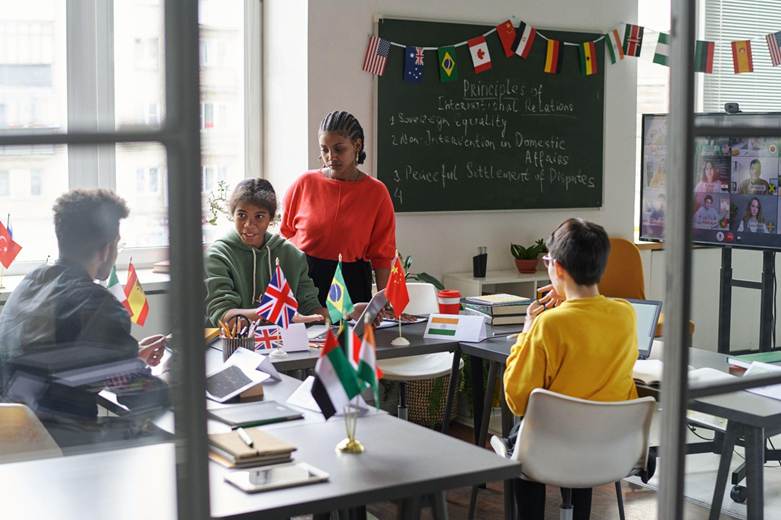
Thailand’s reputation as a vibrant, culturally rich nation is not just a tourism draw; it’s also a compelling reason for expat families to choose this destination. For parents and their children, international schools in Thailand offer more than education—they provide a unique opportunity for cultural integration. Understanding how these schools bridge diverse cultures can help parents support their children through a meaningful educational journey.
Understanding Cultural Integration
Definition of Cultural Integration
Cultural integration in education refers to the process by which schools help students from diverse backgrounds merge into a cohesive learning environment. This process involves respecting and learning from various cultural perspectives, enhancing the educational experience for all.
Goals of Cultural Integration
The primary aim of cultural integration is to create an inclusive school culture where international and Thai students can learn from each other, promoting mutual respect and a global mindset. These goals help prepare students for the interconnected world they will face after graduation.
How Thai International Schools Promote Cultural Integration
Curriculum Design
Thai international schools strategically design curriculums that weave local Thai culture with global perspectives. For instance, history lessons may cover both Thai national history and world events, illustrating how local narratives fit within a global context.
Language Learning Programs
Language is a cornerstone of cultural integration. Most Thai international schools offer Thai language classes to expat students, which not only aids in daily communication but also deepens their understanding of the local culture. Additionally, these programs often include third or fourth languages, emphasizing the importance of multilingual proficiency in global citizenship.
Cultural Events and Celebrations
From celebrating Thai festivals like Songkran and Loy Krathong to international events, schools host a variety of functions that encourage students to engage actively with diverse cultures. These events serve as practical learning experiences and help foster a school-wide atmosphere of inclusivity and celebration of diversity.
Student Exchange Programs
Exchange programs with other schools around the globe offer students first hand experience of different cultures. These programs are instrumental in teaching students adaptability and global awareness, crucial skills for today’s world.
Challenges in Cultural Integration
Cultural Misunderstandings
Despite the best efforts, cultural misunderstandings can occur. Schools typically address these challenges by fostering open communication among students and staff and providing cultural sensitivity training.
Balancing Multiple Cultural Norms
One of the significant challenges is balancing the myriad cultural norms of a diverse student body. Schools often tackle this by adopting core values that transcend cultural differences, such as respect, integrity, and curiosity.
Strategies for Parents to Support Cultural Integration
Encouraging Participation
Parents play a critical role by encouraging their children to participate in school-led cultural activities. Engagement in these events can be a fun and effective way for children to deepen their cultural understanding and build lasting friendships.
Educating Themselves about Thai Culture
Parents can also benefit from learning about Thai culture. Engaging with local communities, attending cultural events, and utilizing educational resources can provide parents with the insights needed to better support their children’s cultural integration.
Conclusion
International schools in Thailand offer a dynamic blend of educational excellence and cultural integration. For expat families, these institutions are not just schools but gateways to understanding a rich tapestry of global and local traditions. By embracing these opportunities, parents and students can make the most out of their expat experience—culturally and academically.
—
This blog aims to assist expat parents in appreciating the comprehensive cultural integration efforts made by international schools in Thailand, ensuring a supportive and enriching environment for their children.
The blog titled “Cultural Integration in Thai International Schools: Navigating the Multicultural Classroom” explores how international schools in Thailand foster cultural integration among their diverse student bodies. The blog discusses the curriculum design that incorporates both Thai and global perspectives, language programs that promote understanding and communication, and cultural events that celebrate both Thai and international traditions. Challenges such as cultural misunderstandings and balancing various cultural norms are addressed, with schools employing strategies like open communication and core values education to manage them. The blog also advises parents on supporting their children’s cultural integration by participating in school activities and educating themselves about Thai culture. Overall, the blog highlights the role of Thai international schools in preparing students for a globalized world while promoting an inclusive and respectful learning environment.