
Moving to Bangkok offers a thrilling experience that melds rich history with bustling modernity. However, like any country, Thailand has its own set of cultural expectations and norms. For expats, understanding these can be the key to a respectful and enjoyable experience in the Land of Smiles. Here’s your essential guide to Thai etiquette, designed to help you navigate social and professional situations with ease.
1. Greetings: The Wai
The traditional Thai greeting, called the ‘wai’, is performed by pressing your palms together at chest or nose level and bowing your head slightly. It’s a sign of respect and is generally used when greeting someone older or of higher social status. As an expat, you’re not expected to initiate the wai, but returning it is appreciated and shows respect.
2. Respect for the Monarchy
Thailand holds its monarchy in the highest regard, and speaking positively—or at least not disparagingly—about the royal family is a crucial aspect of Thai etiquette. This extends to handling anything bearing the king’s image, such as money, with respect.
3. Dress Appropriately
Thais place great emphasis on appearance and dressing appropriately, especially in temples and government offices. When visiting a religious site, cover your shoulders and knees, and remove your shoes before entering temple buildings. For business and official settings, conservative dress is expected.
4. Dining Etiquette
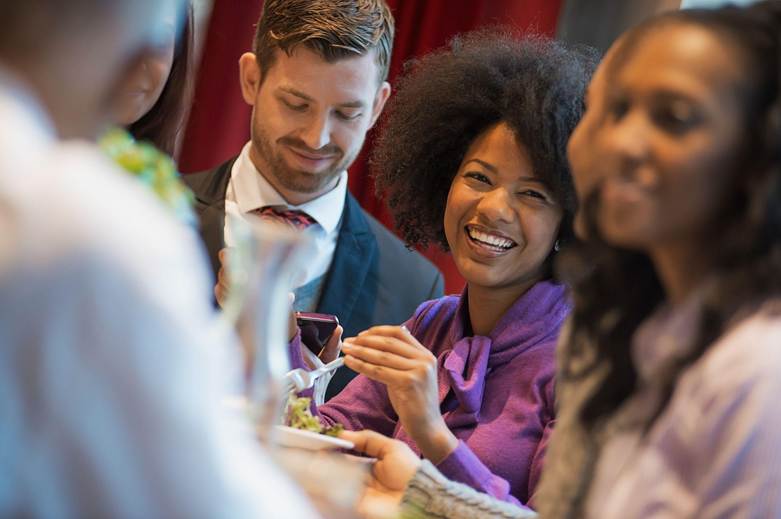
When dining, wait to be told where to sit, as there may be a seating order based on age and status. It’s customary to use a spoon and fork for most Thai dishes, with the fork used to push food onto the spoon. Chopsticks are typically used only for noodle dishes. Always wait for the host to invite you to start eating.
5. Social Interactions and Public Behavior
Thai culture values calmness and a soft-spoken manner. Raising your voice or showing anger in public is frowned upon, as it is considered losing face. Always try to maintain a calm demeanor and smile, as smiling is an integral part of Thai communication, helping to smooth over difficult situations.
6. Shoes Off Indoors
In many Thai homes, it is customary to remove shoes before entering. This practice may also extend to certain businesses and hostels, so always look for shoes at the front entrance as an indicator, or follow the host’s lead.
7. Handling Conflict
If you find yourself in a disagreement or conflict, handle it with grace. Direct confrontation is typically avoided in Thai culture. Instead, approach the situation with a compromise in mind and discuss matters privately if possible.
Conclusion
Embracing these cultural dos and don’ts will not only help you avoid faux pas but also deepen your understanding of Thai culture, making your time in Bangkok more fulfilling. Remember, showing respect and openness to local customs is the best way to integrate into any new community, especially one as welcoming as Thailand.
———————
Caption for FB and Instagram posts
🙏 Embrace Thai culture with grace! Our latest blog navigates through the essential dos and don’ts for expats living in Bangkok. From proper greeting gestures to dining etiquette, learn how to respect and blend seamlessly into the local customs. 🍜✨ Avoid common faux pas and enhance your interactions in Thailand. Dive into our guide to become culturally savvy! 📘🌟
#ThaiEtiquette #ExpatsInBangkok #CulturalTips #LivingInThailand #BangkokLife